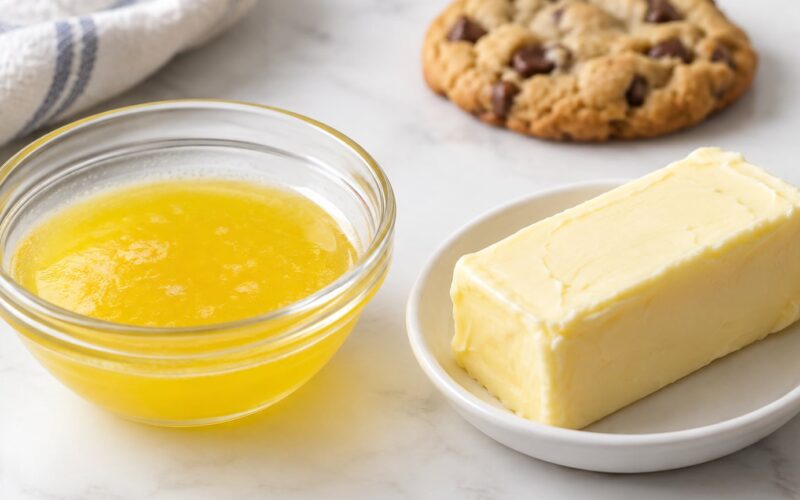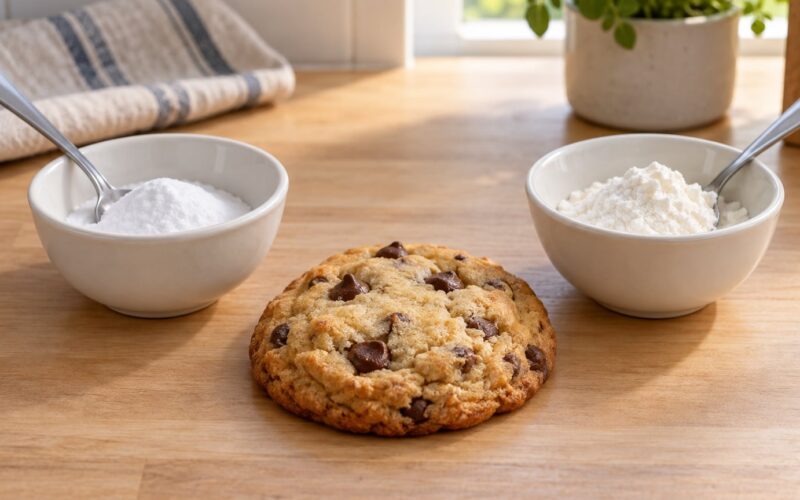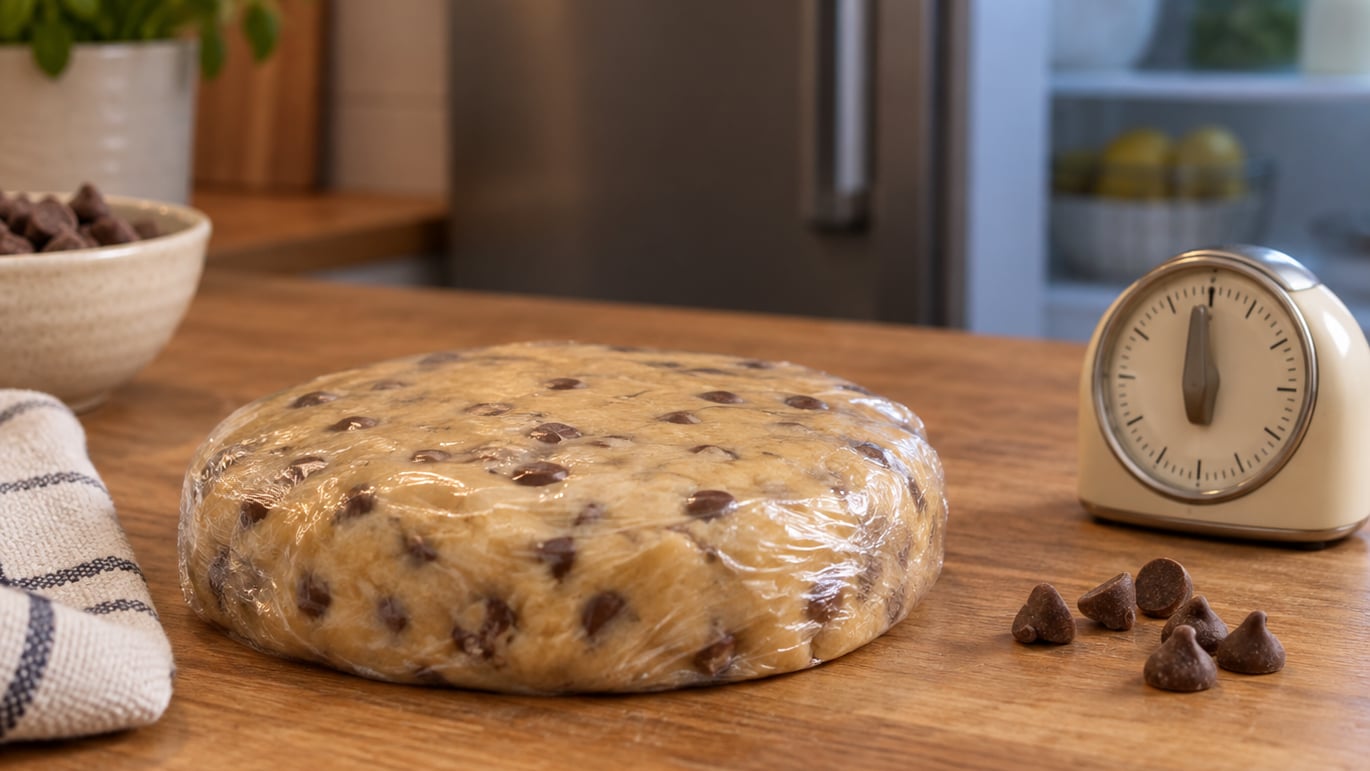
Most cookie doughs need at least 30 minutes in the fridge to control spread, and 24 to 48 hours to unlock the deeper, caramelized flavor that turns good cookies into bakery-style ones. Sugar cookie cut-outs and snickerdoodles sit at the shorter end of that range, while chocolate chip, brown butter, and oatmeal doughs get noticeably better with a full two-day rest. Chilling is hands-down the easiest upgrade you can make to a cookie recipe, and it costs nothing but patience.
Table of Contents
What You Need
You don’t need anything fancy, just the basics most kitchens already have.
- Plastic wrap or airtight containers: Wrap discs and logs tightly, or press a lid onto a sealed container. Exposed dough dries out and soaks up fridge odors.
- A flat shelf in the fridge or freezer: Skip the door. The back of the middle shelf stays coldest and most consistent.
- A kitchen timer: A simple magnetic timer on the fridge works fine. Chilling times range from 20 minutes to 72 hours, and it’s easy to lose track.
- A bench scraper or sharp knife: Helpful for dividing dough before chilling and for portioning logs after a long rest.
- Parchment paper or a silicone mat: For setting shaped dough on while it firms up, and for baking later.
- The dough itself, already mixed and shaped: Form it into a disc about 1 inch thick, a short log, or pre-scooped balls before it goes cold. Cold dough is much harder to portion cleanly.
Step-by-Step: How Long to Chill Cookie Dough
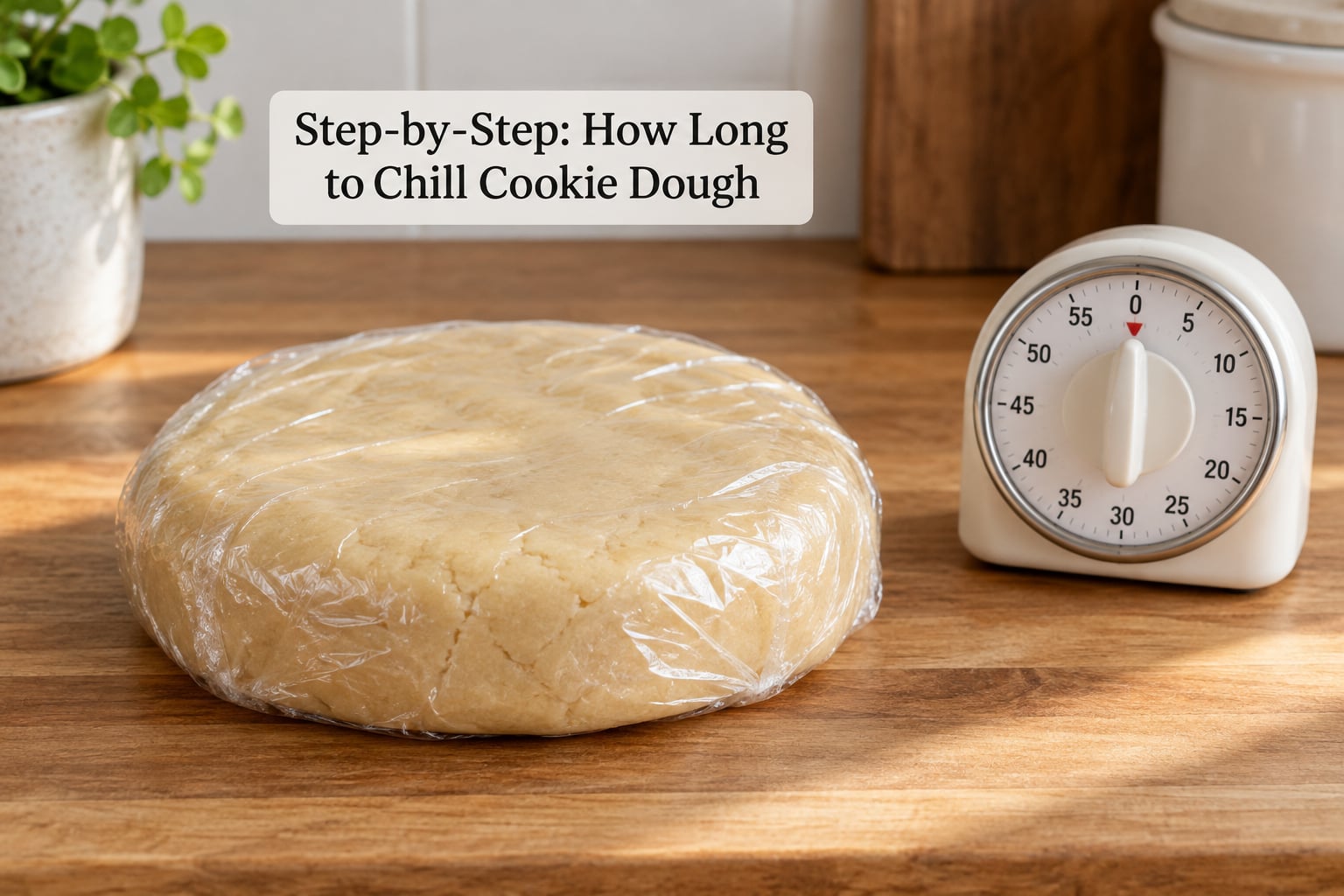
Follow these four steps and you’ll get consistent, thick, chewy cookies every time. The exact timing changes by dough type, which the table in Step 3 covers in detail.
Step 1: Shape the dough for even chilling
A flat disc or a short log chills faster and more evenly than a loose mound. Press the dough into a disc about 1 inch thick, or form it into a cylinder roughly 2 inches across if you’re making slice-and-bake cookies. Thin spots freeze first, thick spots stay warm, and you’ll end up with uneven texture when you bake. A uniform shape also means you can slice or scoop it without waiting forever for the center to soften.
Step 2: Wrap it tightly
Wrap the disc or log in two layers of plastic wrap, pressing out as much air as you can. Alternatively, drop it into a rigid airtight container with a tight-fitting lid. Air exposure dries the surface, which then cracks when you try to scoop, and it also lets the dough pick up stray smells from last night’s leftover pasta. If you’re chilling for more than 24 hours, a second layer of wrap or a sealed bag inside the container is worth the extra 20 seconds.
Step 3: Choose your chill time
Match the chill time to your dough and your goal. Spread control is the easiest gain and only needs 30 minutes. Flavor development is the bigger prize and asks for 24 to 48 hours. Texture sweet spots depend on the dough type.
- Drop cookies (chocolate chip, oatmeal, peanut butter): 30 minutes minimum for spread control, 24 to 48 hours for the best flavor and a chewy center.
- Slice-and-bake logs: 1 to 2 hours, just long enough for the cylinder to firm up enough to slice cleanly.
- Cut-out sugar cookies: 1 to 2 hours, ideally overnight. Cold dough holds its shape when you transfer it to the baking sheet.
- Snickerdoodles: 30 minutes to 1 hour. The cream of tartar flavor blooms faster than chocolate chip, so a long rest isn’t necessary.
- Shortbread: 1 hour. The high butter content firms up quickly, and longer chilling can make the cookies too dense.
- Gingerbread: 2 hours to overnight. The molasses and spices need time to meld, and overnight is better.
- Brown butter cookies: 36 to 72 hours. Toasted butter flavors deepen dramatically with a long rest, and the texture turns fudgy.
- Gluten-free cookie doughs: 24 to 48 hours. Without gluten, hydration takes longer, and chilling gives the flour blends time to absorb moisture properly.
You’ll know the chill worked when the dough is firm but not rock-hard. It should give slightly when you press it and should scoop or roll without crumbling. If it’s so hard you can’t dent it with a thumb, give it 5 to 15 minutes on the counter before portioning.
Step 4: Bring to workable temperature before baking
Most doughs benefit from 5 to 15 minutes on the counter after coming out of the fridge. This small rest lets the butter soften just enough to scoop without breaking your wrist, and the cookies spread more evenly. Cold-butter cookies, like shortbread and some sugar cookies, can go straight from fridge to oven for sharp, clean edges. For everything else, a brief counter rest is the move.
Why Chilling Cookie Dough Actually Works
Three things happen when cookie dough rests in the fridge, and each one matters.
Butter firms up. The fat in cookie dough is mostly butter, and butter melts at body temperature. When you chill the dough, the butter crystallizes back into a solid. Solid butter melts slower in a hot oven, which means the cookies hold their shape longer before the fat turns liquid and the dough slumps. That’s why chilled cookies are thick and puffy, while room-temp dough bakes into flat, crispy puddles.
Flour hydrates. Flour absorbs liquid slowly. During mixing, only the surface of each flour particle gets wet. Over hours in the fridge, moisture works its way into the starch and protein, evening out the texture and giving the cookies a more uniform crumb. Hydrated flour also browns better, so the cookies develop a deeper, more even color.
Flavor develops. This is the part most home bakers underestimate. Enzymes in the flour slowly break down starches into simple sugars during the rest. Those sugars then caramelize and brown more readily in the oven, producing those butterscotch, toffee, and toasted-nut flavors you taste in bakery cookies. The flavor gain is real and noticeable, and it compounds up to about 48 to 72 hours before plateauing.
Together, those three changes turn a good cookie dough into a great one. The cookies hold their shape, the crumb is even, and the flavor has that layered, caramelized quality that defines bakery-style results.
Chill Times for the Most Common Cookie Doughs
Here’s a quick-reference list for the doughs bakers make most often. The minimum is the shortest time that meaningfully helps. The ideal is where you’ll get the best texture and flavor. The maximum is how long the dough holds up before it starts to dry out or pick up fridge flavors.
Chocolate chip cookies. Minimum 30 minutes for spread control. Ideal 24 to 48 hours for that chewy center and butterscotch depth. Maximum about 72 hours in the fridge before the dough starts drying out at the edges, even when wrapped. Skip the chill entirely and you’ll get thin, crispy, overly browned cookies that spread into one another on the sheet.
Sugar cookies (drop style). Minimum 30 minutes. Ideal 1 to 2 hours. Maximum 48 hours. Without chill, these flatten and lose their soft texture. Over 48 hours, the dough can dry out and crack when you scoop.
Cut-out sugar cookies. Minimum 1 hour. Ideal overnight. Maximum 3 days in the fridge. Cold dough is essential here: warm dough stretches and distorts when you transfer cut shapes to the baking sheet, and the edges round out in the oven. Overnight is the sweet spot for clean, sharp edges and easy handling.
Snickerdoodles. Minimum 30 minutes. Ideal 1 hour. Maximum 24 hours. The cream of tartar does most of the flavor work, so a long rest is less critical. Skip the chill and you’ll get thin, cakey cookies instead of the soft, puffy texture snickerdoodles are known for.
Shortbread. Minimum 1 hour. Ideal 2 hours. Maximum 3 days. The high butter content means the dough firms up fast. Longer chilling makes the cookies denser and crumblier, which some bakers love and others find dry.
Oatmeal cookies. Minimum 30 minutes. Ideal 4 to 12 hours. Maximum 48 hours. The oats absorb moisture during the rest, which gives the cookies a softer, less crumbly texture. Skip the chill and the oats stay chewy in a way that feels underdone.
Gingerbread. Minimum 2 hours. Ideal overnight. Maximum 5 days in the fridge. Molasses, ginger, cinnamon, and cloves all need time to meld. Day-old gingerbread dough bakes into cookies that taste like the holidays in a way fresh dough just doesn’t.
Peanut butter cookies. Minimum 30 minutes. Ideal 1 to 4 hours. Maximum 72 hours. Skip the chill and the high fat content makes them spread aggressively. A rest firms the dough and concentrates the peanut flavor.
Can You Freeze Cookie Dough Instead?
Yes, and for most doughs the freezer is actually a better long-term storage option than the fridge. Freezing pauses the flavor and hydration processes without the dough drying out the way it can in a refrigerated container.
How long does cookie dough last in the freezer? Most cookie doughs keep well for up to 3 months in the freezer, with 2 months as the practical limit for cookie bars and anything with a high moisture content. Beyond that, freezer burn and off-flavors start creeping in even with good wrapping.
How to wrap for the freezer. For dough logs and discs, wrap tightly in plastic wrap, then a layer of aluminum foil. For pre-scooped balls, arrange them on a parchment-lined sheet, freeze until solid (about 1 to 2 hours), then transfer to a labeled freezer bag with the date. Pre-scooping is the move if you want to bake one or two cookies at a time without thawing the whole batch.
How to thaw. Move the dough to the fridge the night before you want to bake. For scoops, 30 to 60 minutes on the counter is usually enough. You can also bake most cookie doughs straight from the freezer, just add 1 to 2 minutes to the bake time and expect slightly less spread. The Reddit baking community has long pointed out that frozen dough balls baked without thawing produce the thickest cookies, since the butter melts slower and the dough holds its shape longer in the oven.
Does freezing preserve the flavor gains from chilling? Mostly yes. If you’ve already rested chocolate chip dough for 36 hours in the fridge, then froze it, you keep most of the butterscotch and caramel notes. Some subtle top notes fade, but the core flavor improvement stays. Freezing from raw, without an initial fridge rest, gives you the same texture benefits as chilling but with slightly less flavor depth.
Common Mistakes and Easy Fixes
Even experienced bakers run into chilling problems. Here are the most common ones and how to fix them.
- Skipping the chill entirely. Cookies spread into thin, flat puddles and bake unevenly. Fix it: give the dough at least 30 minutes in the fridge, even when the recipe doesn’t call for it. The spread difference is dramatic.
- Over-chilling dry dough. A disc of cookie dough that sits uncovered for 48 hours develops a dry, cracked crust. Fix it: wrap in two layers of plastic wrap and consider chilling for the shorter end of the recommended range for low-moisture doughs like shortbread.
- Chilling a wet, sticky dough. Brownie-style cookie doughs and anything with extra liquid won’t firm up properly in the fridge. Fix it: chill them in a shallow container, not wrapped tight, and stir once halfway through to redistribute the moisture.
- Leaving dough uncovered. The surface dries, cracks, and absorbs fridge smells. Fix it: always wrap tightly or use a sealed container. Plastic wrap pressed directly against the dough works better than leaving an air gap.
- Baking straight from the freezer without adjusting time. Frozen dough balls baked at the recipe’s exact time come out raw in the center. Fix it: add 1 to 2 minutes to the bake time, or thaw the dough balls for 30 to 60 minutes on the counter first.
- Expecting overnight to fix a bad recipe. Chilling improves texture and flavor, but it can’t rescue a dough with too much flour or too little butter. Fix it: trust the recipe ratios first, then rest the dough.
Frequently Asked Questions
What is the minimum time to chill cookie dough?
The minimum chill time for most cookie doughs is 30 minutes. That short rest is enough to firm the butter and slow spread in the oven. For deeper flavor and a chewier center, plan on 24 to 48 hours, especially for chocolate chip, oatmeal, and brown butter doughs.
Can I chill cookie dough overnight?
Yes, overnight chilling works well for most doughs and is ideal for cut-out sugar cookies, gingerbread, and chocolate chip cookies. The flour fully hydrates and the flavors meld while you sleep. Wrap the dough tightly so it doesn’t dry out or pick up fridge odors.
Is it okay to bake cookies without chilling the dough?
You can bake cookie dough without chilling, but expect thinner, crispier, and more spread-out cookies. For drop cookies like chocolate chip, the texture difference is significant. Cookies that don’t benefit from chilling include lace cookies, florentines, and whoopie pies, which need to spread to set their structure.
How long does cookie dough last in the freezer?
Most cookie doughs keep well in the freezer for up to 3 months, with 2 months as the practical limit for very moist doughs like cookie bars. Wrap tightly in plastic wrap and foil, or freeze pre-scooped balls on a sheet before transferring to a labeled bag. Thaw overnight in the fridge or bake directly from frozen with 1 to 2 extra minutes of bake time.
Why do my cookies spread so much in the oven?
Cookies spread too much when the butter melts before the dough sets, usually because the dough was too warm, the butter was too soft going in, or the oven wasn’t hot enough. Chilling the dough for at least 30 minutes firms the butter so it melts slower, and baking on a preheated sheet helps the cookies set quickly before they slump.
Does chilling cookie dough make it taste better?
Yes, especially after 24 to 48 hours. During the rest, enzymes in the flour break down starches into simple sugars, which caramelize more deeply in the oven. The result is a richer, butterscotch-like flavor and a more complex, layered taste than the same dough baked right after mixing.
Conclusion
Chill cookie dough for at least 30 minutes to control spread, 24 to 48 hours for the best flavor, and overnight for cut-out sugar cookies. It’s the single most useful step in cookie baking, costs nothing, and asks only for a little patience. Pick a recipe from our cookie collection, mix your dough tonight, and bake tomorrow for cookies that taste noticeably better than the same recipe baked on the spot.