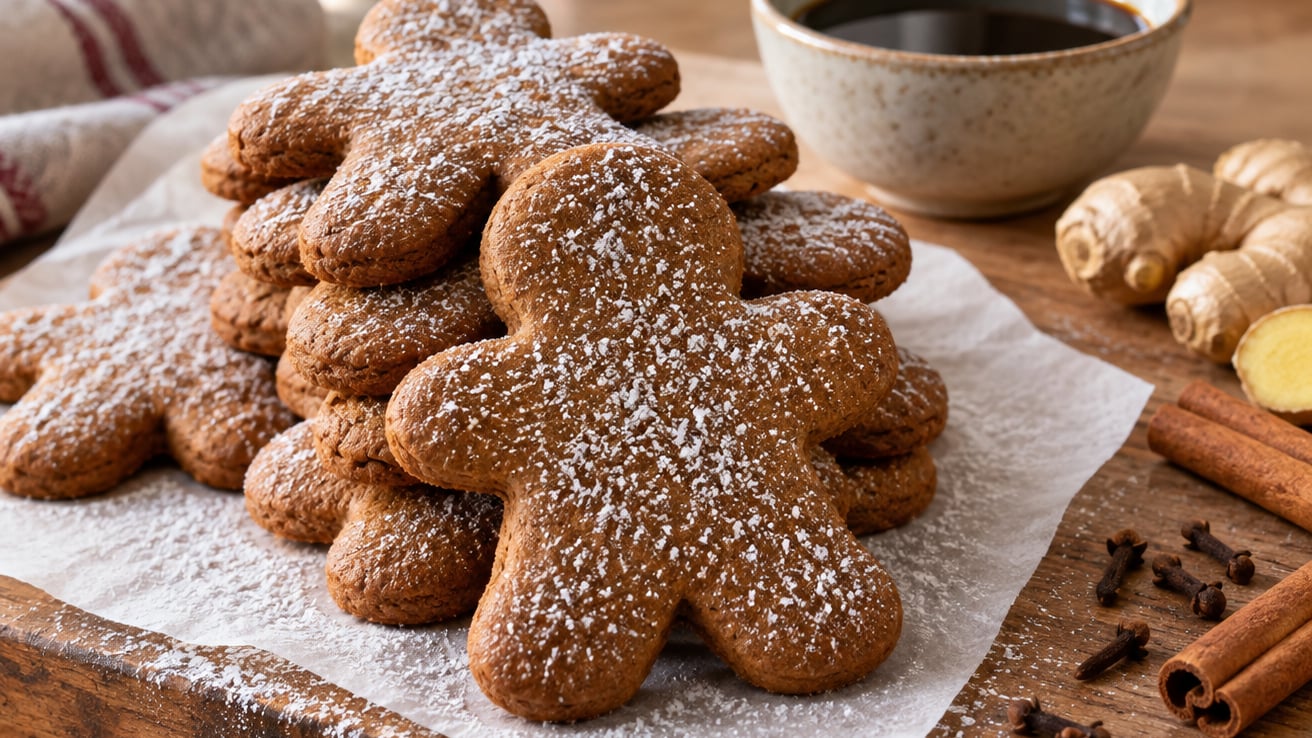
Soft gingerbread cookies are the kind of holiday bake that disappears from the tray before the icing even dries. The secret to pillowy-soft centers with crisp edges comes down to three things: real molasses, brown sugar, and pulling the cookies from the oven a minute before you think they are done. The dough comes together in about 15 minutes, chills for at least an hour, and bakes up in 8 to 9 minutes. If you have been wondering how to make soft gingerbread cookies that stay tender for days, this is the method I bake every December, and the same one I reach for when my nieces want gingerbread men they can actually bite into.
Table of Contents
- What You Need
- Step-by-Step: How to Make Soft Gingerbread Cookies
- Common Mistakes That Make Gingerbread Cookies Hard
- How to Keep Soft Gingerbread Cookies Soft for Days
- Decorating and Serving Ideas
- Frequently Asked Questions
- How do you keep gingerbread cookies soft after baking?
- Why do my gingerbread cookies turn out hard?
- Can you make soft gingerbread cookies without molasses?
- How long should you bake gingerbread cookies so they stay soft?
- Can I chill gingerbread dough overnight?
- What is the best flour for soft gingerbread cookies?
What You Need
For about 24 medium cookies, gather your dry ingredients first so the mixing stage goes quickly.
Dry ingredients:
- 3 cups (375 g) all-purpose flour, spooned and leveled
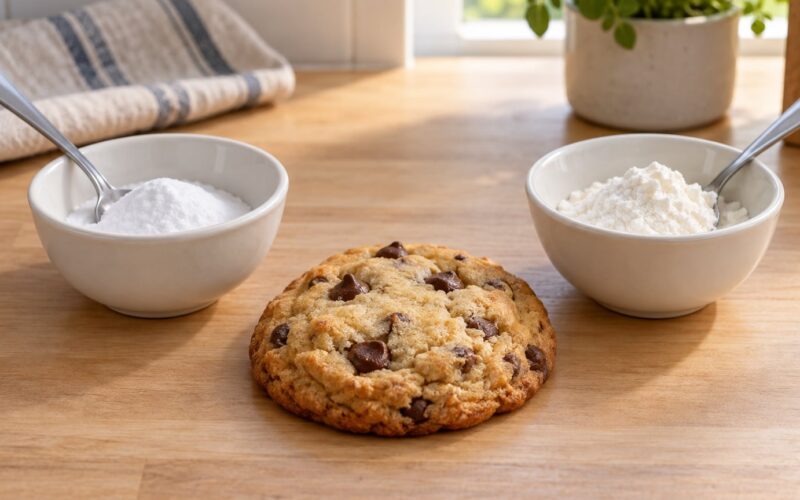
- 1 teaspoon baking soda
- 1/2 teaspoon fine salt
- 1 tablespoon ground ginger
- 2 teaspoons ground cinnamon
- 1 teaspoon ground cloves
- 1/2 teaspoon ground nutmeg (optional, but lovely)
Wet ingredients:
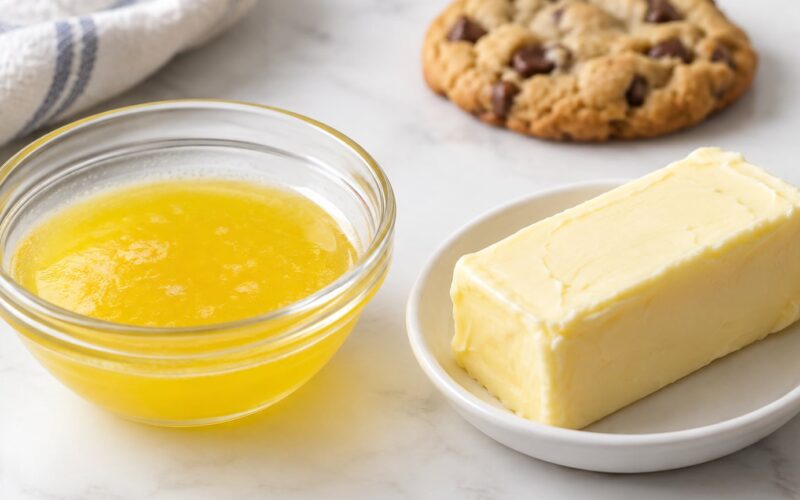
- 3/4 cup (170 g) unsalted butter, softened to room temperature
- 3/4 cup (160 g) packed dark brown sugar
- 1/3 cup (80 ml) unsulphured molasses (not blackstrap; it turns bitter)
- 1 large egg, room temperature
- 1 teaspoon pure vanilla extract
Light or dark molasses both work. Light molasses gives a milder, sweeter flavor. Dark unsulphured molasses (the kind sold as “original” in most US grocery stores) is what I prefer for that deep, almost-toffee note in the background. If you only have blackstrap, halve the amount to 3 tablespoons and add an extra tablespoon of brown sugar to balance the bitterness.
Tools:
- Stand mixer with paddle attachment, or a hand mixer
- Two mixing bowls (one for dry, one for wet)
- Rolling pin
- Cookie cutters (metal ones cut cleaner than plastic)
- Two baking sheets
- Parchment paper or silicone baking mats
- Wire cooling rack
- Plastic wrap for chilling
Step-by-Step: How to Make Soft Gingerbread Cookies
Each step builds on the last, so read through once before you start.
Step 1: Whisk the Dry Ingredients
In a medium bowl, whisk together the flour, baking soda, salt, ginger, cinnamon, cloves, and nutmeg. Sifting is even better if you have a fine-mesh sieve. Whisking breaks up any clumps of baking soda and distributes the spices evenly, which means no pockets of bitter baking soda or one cookie that tastes like straight cinnamon.
Step 2: Cream the Butter and Brown Sugar
In your stand mixer, beat the softened butter and brown sugar on medium-high for about 3 minutes. The mixture should look pale, fluffy, and almost like frosting. This step traps air, which is part of what gives soft gingerbread its tender lift. If you stop at 30 seconds, your cookies will be denser than they should be.
Step 3: Add Molasses, Vanilla, and Egg
Scrape down the sides of the bowl. Beat in the molasses and vanilla first, then the egg, one at a time, mixing on medium until each is fully incorporated. The batter will look glossy and a little loose. That is correct.
Step 4: Combine Wet and Dry
Turn the mixer to low. Add the dry ingredients in three additions, mixing just until you no longer see streaks of flour. Overmixing develops gluten, and gluten is the enemy of soft cookies. The dough should come together in a soft, slightly sticky ball.
Step 5: Chill the Dough
Divide the dough in half, press each half into a flat disc, wrap in plastic wrap, and refrigerate for at least 1 hour. Overnight is even better. Chilling does two important things: it lets the flour fully absorb the moisture from the molasses (which deepens flavor and softens the crumb), and it firms up the butter so the cookies hold their shape in the oven. Skip this step and you will get thin, crispy gingerbread instead of soft.
Step 6: Roll and Cut
Preheat the oven to 350°F (175°C). Line two baking sheets with parchment. Working with one disc at a time, roll the dough out to 1/4 inch thick on a lightly floured surface or between two sheets of parchment. Thinner cookies bake crisp; 1/4 inch is the sweet spot for soft centers.
Dip your cutters in flour to keep them from sticking, then cut shapes close together to minimize scraps. Transfer the cutouts to the prepared baking sheets, leaving about 1.5 inches between them. Gather the scraps, re-roll once, and cut more.
Step 7: Bake Until the Edges Just Set
Bake for 8 to 9 minutes. The cookies are done when the edges look set and the centers look slightly underdone, almost matte rather than shiny. They will still feel soft when you press the top gently. That is exactly right. They firm up as they cool on the pan.
Step 8: Cool on the Pan, Then the Rack
Let the cookies sit on the baking sheet for 5 minutes. This carryover cooking finishes setting the center without overbaking. Then move them to a wire rack to cool completely. If you stack them warm, the trapped steam will make them soft in a soggy, not-pillowy, way.
Common Mistakes That Make Gingerbread Cookies Hard
If your last batch came out closer to tile than cookie, one of these is probably the reason.
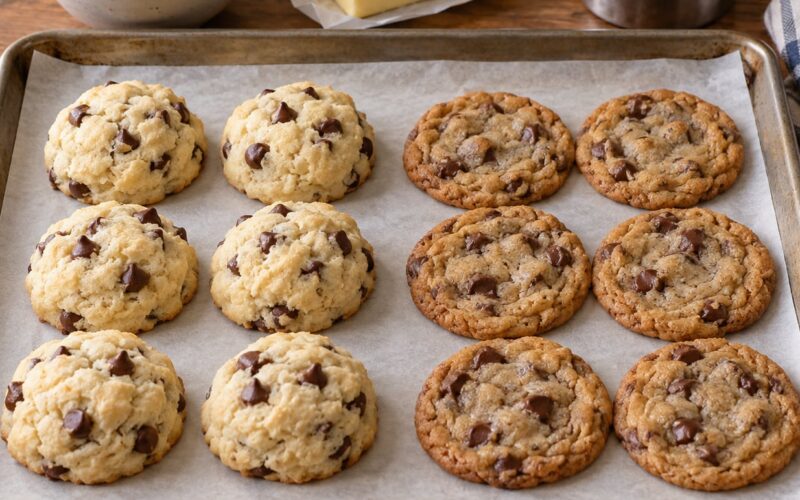
Overbaking: The single biggest cause of hard gingerbread. Pull them when the centers still look a little underdone. They will look set on the edges but matte in the middle. Carryover heat finishes the job on the pan.
Over-flouring the dough: Extra flour makes cookies tough. Spoon flour into the measuring cup and level it off with a knife rather than scooping directly. Better still, roll the dough between two sheets of parchment so you barely need any flour at all.
Skipping the chill: Warm dough spreads more, bakes thinner, and ends up crisp. One hour is the minimum, two is better, and overnight gives the deepest spice flavor.
Using only white sugar: White granulated sugar makes crisp cookies. Brown sugar holds onto moisture during baking, which is exactly what you want for soft centers. If a recipe calls for all white, swap at least half for brown.
Rolling too thin: Anything thinner than 1/4 inch will bake through to crisp. Use dowels on either side of your dough or look for the etched rings on a quality rolling pin to keep thickness consistent.
Overmixing the flour: Once you add the dry ingredients, mix only until combined. Every extra minute of beating builds more gluten, and more gluten means tougher cookies.
How to Keep Soft Gingerbread Cookies Soft for Days
You can bake a beautiful batch and still end up with hockey pucks three days later if storage is wrong. Here is what actually works.
Cool completely first. Even a hint of warmth inside a sealed container creates steam, and steam turns soft cookies into soggy ones. Wait until they are room temperature all the way through.
Layer with parchment in an airtight container. Stack the cookies between sheets of parchment or wax paper so they do not stick to each other. A metal tin or glass container with a tight lid is better than a zip-top bag, which lets in a little air.
Add a slice of fresh bread. This is the old bakery trick that genuinely works. The cookies slowly absorb moisture from the bread, which keeps them soft. Replace the bread slice every two days. The bread will go stale, the cookies will stay pillowy.
Store at room temperature up to 5 days. Refrigerating baked cookies actually dries them out faster because the cold air pulls moisture to the surface. Freezing is the better long-term option.
Freeze baked cookies up to 3 months. Layer cooled cookies between parchment in a freezer-safe container, thaw at room temperature in the container (so the moisture stays in), and they will taste freshly baked.
Freeze raw cutouts to bake later. Cut the shapes, freeze them on a parchment-lined sheet until solid, then transfer to a freezer bag. Bake straight from frozen, adding 1 to 2 minutes to the bake time. This is my go-to move the week before Christmas.
Decorating and Serving Ideas
Once the cookies are cool, the fun part begins.
Royal icing: The classic choice for gingerbread men. Whisk 2 cups powdered sugar with 1 to 2 tablespoons of milk and 1/2 teaspoon of vanilla until thick but pipeable. Royal icing dries hard, so it is great for stacking and shipping but tough on braces. Tint it with gel food coloring for holiday colors.
Buttercream: Cream 1/2 cup softened butter with 2 cups powdered sugar, 1 teaspoon vanilla, and a splash of milk. It is softer, sweeter, and friendlier on teeth. It does not set as firm as royal icing, so decorate close to serving time.
Simple glaze: Stir 1 cup powdered sugar with 1 to 2 tablespoons of milk until drizzling consistency. Drizzle it over cooled cookies with a fork or squeeze bottle. Fast, pretty, and lets the spice flavor stay the star.
Sanding sugar before baking: Brush cut-outs with a little milk and sprinkle colored sanding sugar before they go in the oven. The result is sparkly, no icing required, and the cookies still stack and ship well.
For gingerbread houses: Use this same dough rolled slightly thicker (about 3/8 inch) and bake a few minutes longer. The cookies will be sturdier walls that still taste good enough to nibble on while you build. Royal icing acts as the mortar between pieces.
These cookies hold up beautifully on a holiday cookie tray, ship well in wax-paper-lined tins, and freeze like a dream, so bake a double batch the first weekend of December and you will not have to think about it again until New Year.
Frequently Asked Questions
How do you keep gingerbread cookies soft after baking?
Store them in an airtight container at room temperature with a slice of fresh white bread. The cookies slowly absorb moisture from the bread and stay pillowy for up to five days. Replace the bread every two days. Avoid the fridge, which dries cookies out faster.
Why do my gingerbread cookies turn out hard?
The usual cause is overbaking, often combined with too much flour or rolling the dough too thin. Pull cookies from the oven when centers still look slightly underdone. Use dark brown sugar, real molasses, and chill the dough for at least an hour to keep the texture soft.
Can you make soft gingerbread cookies without molasses?
Yes, though the flavor will be milder. Substitute 1/3 cup of dark corn syrup, golden syrup, or honey for the molasses. Cookies may brown faster, so check them at the 7-minute mark. Brown sugar still matters most for soft texture, so do not skip it.
How long should you bake gingerbread cookies so they stay soft?
Bake at 350°F for 8 to 9 minutes for 1/4 inch thick cookies. The edges should look set but the centers should still look slightly underdone and matte. Let them cool on the pan for 5 minutes so carryover heat finishes the center without drying it out.
Can I chill gingerbread dough overnight?
Absolutely, and I recommend it. Overnight chilling lets the flour fully absorb the molasses, which deepens the spice flavor and softens the crumb. Wrap the dough discs tightly in plastic so they do not dry out. Bake straight from the fridge.
What is the best flour for soft gingerbread cookies?
Plain all-purpose flour gives the most reliable soft texture. Bread flour is too high in protein and makes cookies chewier and tougher. For gluten-free, use a 1-to-1 gluten-free baking flour that contains xanthan gum, and chill the dough a bit longer.
Soft gingerbread cookies are really a matter of respecting the small details: real molasses, brown sugar instead of white, a proper chill, and trusting the carryover heat on the pan. Once you have baked a batch this way, the old crispy version will not be missed. Bake a double batch the first weekend of December, freeze half the cutouts, and your holiday tray is sorted with very little last-minute stress.