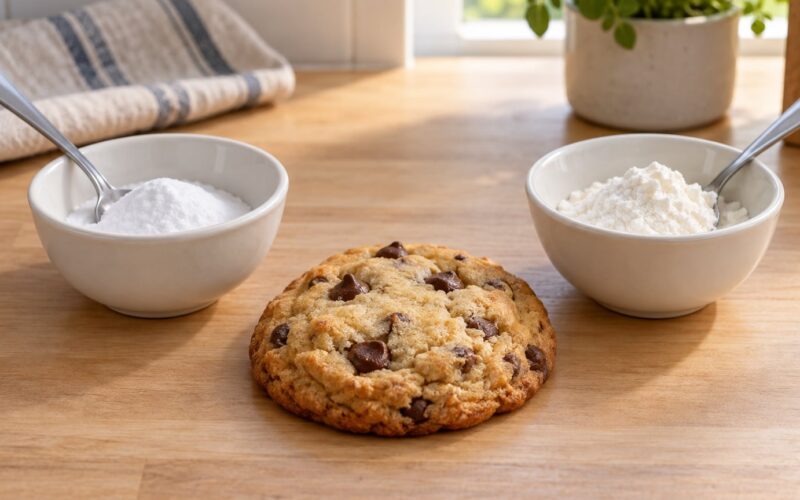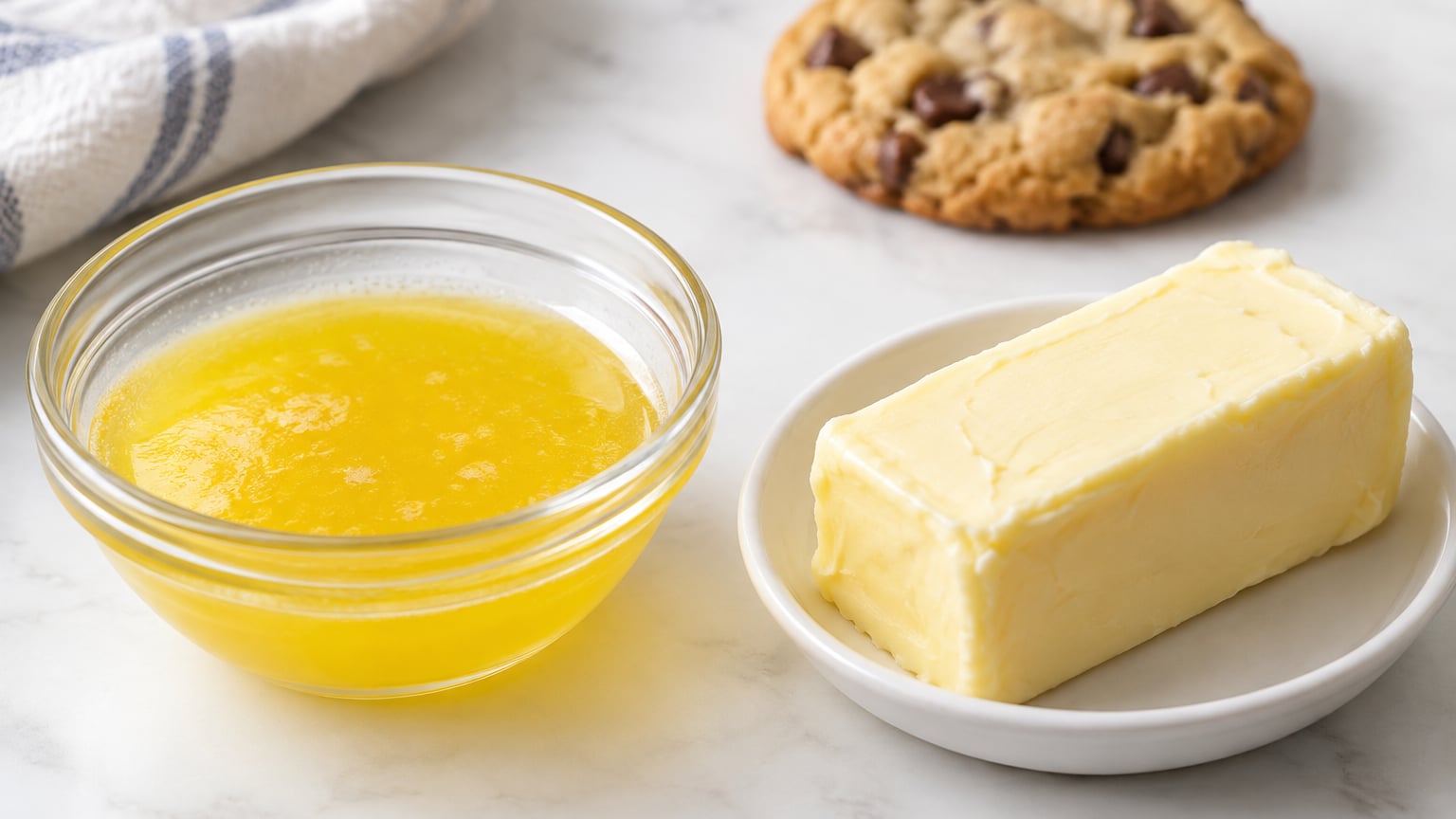
If your cookies keep spreading into puddles, the butter is probably the whole story. Melted butter vs softened butter in cookies isn’t a small swap — it changes the lift, the crumb, the edge, and even the flavor, and once you see why, you’ll never grab the wrong stick again.
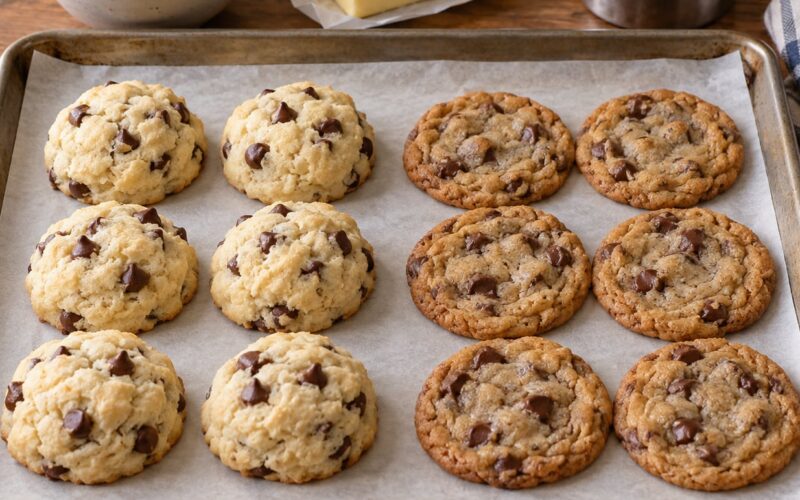
I bake for a packed school bake sale calendar, and over the past two years I have batched the same chocolate chip recipe with softened butter on Monday and melted butter on Friday. The difference is dramatic enough that my taste-testers spotted it blind. Softened butter gave tall, crackled cookies that held their shape; melted butter gave the same dough into a thick, fudgy round with a glossy top and a butterscotch note. Same recipe. Same oven. Just the butter state flipped.
This guide walks you through the science in plain language, then gives you a clear use-case verdict for the cookies you actually bake.
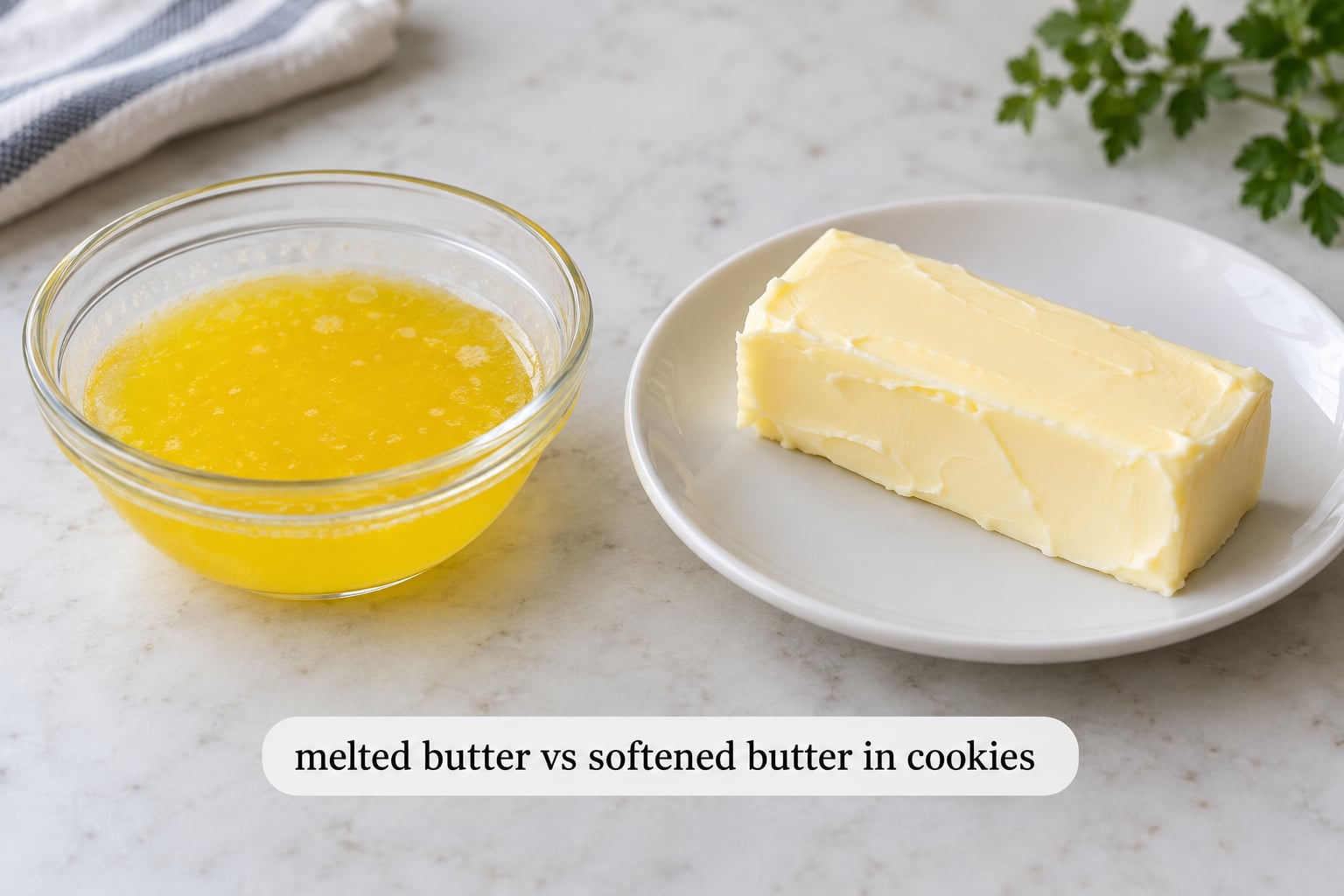
Table of Contents
- Melted Butter vs Softened Butter in Cookies at a Glance
- How Softened Butter Bakes
- How Melted Butter Bakes
- Flavor and Browning
- Spread, Shape and Texture
- When to Use Softened Butter
- When to Use Melted Butter
- Mixing Method Matters Too
- Common Mistakes With Each Method
- Can You Substitute One for the Other?
- Which Should You Choose?
- Frequently Asked Questions
- Does melted butter make cookies chewy?
- Can I use melted butter instead of softened for chocolate chip cookies?
- How do I soften butter quickly without melting it?
- Should I brown the butter or just melt it for cookies?
- Does softened butter need to be room temperature for cookies?
- Why did my melted-butter cookies spread too much?
Melted Butter vs Softened Butter in Cookies at a Glance
The short version, before we get into why: softened butter is for cookies that rise and hold; melted butter is for cookies that spread and chew. Here is the scan-friendly version of how each performs in the oven.
| Factor | Softened Butter | Melted Butter |
|---|---|---|
| Best temperature | 65 to 70°F (18 to 24 deg C), pliable, dents when pressed | Liquid, around 90 to 100°F (32 to 38 deg C) |
| Texture after baking | Lighter, taller, more cake-like crumb | Denser, chewier, often fudgier |
| Spread in the oven | Moderate spread, holds a rounded dome | More spread, often flatter and wider |
| Flavor | Mild, sweet-cream, classic bakery | Toasted, butterscotch, nuttier |
| Creaming needed? | Yes — butter must trap air with sugar | No — air isn’t trapped, so creaming is skipped |
| Best cookie types | Chocolate chip, snickerdoodles, sugar cookies, holiday cut-outs | Brownie cookies, blondies, tahini, oat, edible dough, skillet |
| Main risk | Over-creaming into greasy dough or under-creaming flat cookies | Over-spreading, soupy dough, uneven bake |
How Softened Butter Bakes
Softened butter is butter that gives a clean dent when you press it but is not shiny or greasy. The fat crystals are still partly intact, which is what lets the butter hold air when you beat it with sugar.
That step, called creaming, smears sugar into the butter and forces tiny air bubbles to wrap themselves in fat. Once the cookies hit oven heat, those air pockets puff up and the dough rises. The lift gives cookies a taller profile, a more open crumb, and those lightly crackled tops that bakery chocolate chip cookies are known for. The fat also slows gluten development, so the texture stays tender rather than tough.
If your kitchen runs warm, soften for 20 minutes instead of 30. If the butter starts to look shiny on the counter, slip it into the fridge for 10 minutes before creaming. The texture you want is closer to a cold stick of yogurt than a soft scoop of ice cream.
How Melted Butter Bakes
Melted butter is liquid fat, and liquid fat cannot hold air. That’s the entire difference in one sentence.
Without air pockets to expand in the heat, melted butter cookies don’t get the same lift. The melted fat coats flour more thoroughly before the oven does its work, which gives a denser, chewier, often fudgier crumb. Edges tend to crisp and brown faster because more sugar is in direct contact with hot fat, triggering Maillard browning sooner.
Melted butter also tends to make dough that wants to spread. The fat is already liquid when it goes onto the sheet pan, so it has a head start on flowing. A 20 to 30 minute chill firms the fat back up and gives the flour time to hydrate, which controls that spread and tightens the crumb.
Flavor and Browning
Softened butter brings a clean, sweet-cream flavor that tastes like the bakery case. Most of the milk solids are preserved, and the flavor reads mild and balanced against sugar and vanilla.
Melted butter tastes different because the milk solids start to toast as the butter melts. The hotter the butter gets before it goes into the bowl, the deeper the flavor turns. A quick melt gives a gentle butterscotch hint. A long melt, or one that simmers the milk solids, produces browned butter — nutty, toffee-ish, almost caramel-like, with a thicker golden-brown color and a distinct toasted aroma.
Browned butter is a third path, not a replacement for either method. You cook the butter past melting until the milk solids turn amber, then cool it slightly before mixing. The result is dense like melted-butter cookies, but with a much louder flavor profile. It’s the move for brown butter chocolate chip cookies, brown butter blondies, and tahini cookies where you want the butter flavor to do the talking.
Spread, Shape and Texture
Softened-butter dough holds tall, rounded cookies. The trapped air gives lift, and the fat that’s still partly structured slows the spread. You get crackled tops, defined edges, and a soft center with a thinner crisp rim.
Melted-butter dough spreads more and finishes thicker and fudgier. The cookies often look glossier on top because the fat stays liquid longer in the early bake. Edges can crisp while the middle stays soft, which is the texture most people chase in a brownie cookie or a thick drop cookie.
If you’ve ever baked a batch that came out paper-thin and greasy, melted butter that wasn’t chilled is usually the culprit. If you’ve ever baked cookies that puffed tall but sank into dense pucks, over-creamed softened butter (or butter that was too warm to start) is usually the culprit.
When to Use Softened Butter
Reach for softened butter whenever the recipe calls for creaming and the cookies need structure to hold their shape.
Classic chocolate chip cookies, snickerdoodles, sugar cookies, peanut butter cookies, holiday cut-outs, gingerbread, and shortbread all rely on air pockets for lift and a defined edge. Skip the creaming and you’ll get flat, dense rounds with tough texture instead of the tender, cake-like crumb these cookies are known for.
Softened butter is also the right call when you want bakery-style tall cookies with crackled tops and visible chocolate chunks or chips sitting on the surface instead of sinking into the dough.
When to Use Melted Butter
Reach for melted butter when you want a dense, chewy, often fudgy result and the recipe doesn’t ask for creaming.
Brownie cookies, blondies, tahini cookies, oatmeal cookies (especially the chewy kind), edible cookie dough, skillet cookies, and certain chocolate chip recipes (like brown butter or New York Times-style thick cookies) are designed around melted butter. They rely on a small amount of leavening plus dense, hydrated dough for their texture. Skipping the creaming isn’t a shortcut — it’s the design.
Melted butter is also useful when you’re baking in a warm room and softened butter keeps turning greasy on the counter. Melting and chilling gives you predictable fat temperature even when the kitchen isn’t cooperating.
Mixing Method Matters Too
How you mix is just as important as which butter state you pick. With softened butter, cream the butter and sugar together first until the mixture is pale and ribbony, usually 2 to 3 minutes on medium. That step is where the lift comes from, so don’t shortcut it.
With melted butter, you generally whisk the wet ingredients (melted butter, sugar, eggs, vanilla) until smooth, then fold in the dry ingredients just until the flour disappears. Overmixing once the flour goes in develops gluten and gives tough cookies, so stop as soon as the streaks of flour are gone. If the dough feels loose or greasy, chill for 20 to 30 minutes before scooping. The fat firms back up, the flour hydrates, and spread tightens.
Either way, mix by hand or on low once the flour is in. The high-speed mixer that worked for butter and sugar is too much once gluten-forming flour joins the bowl.
Common Mistakes With Each Method
Melted butter mistakes usually come down to fat that stayed liquid too long. If you melt the butter and skip the chill, the cookies will spread into thin, greasy rounds. If you pour very hot butter over the sugar and eggs, the eggs can start to cook. Cool the butter to lukewarm before mixing, and chill the scooped portions for 20 minutes if your dough feels loose.
Softened butter mistakes usually come down to butter that’s too warm, too cold, or overworked. If it was left out until butter has softened, the fat can’t trap air and the cookies come out dense. If it came straight from the fridge, it clumps in the butter and you get uneven texture. If you beat it past fluffy into greasy, the cookies flatten and look oily. The sweet spot is butter that gives a clean dent when pressed, creamed only until it looks pale and ribbony.
Forum bakers describe exactly this: cookies spreading too much on melted butter, or coming out hard and dry when softened butter was over-creamed. Both are fixable once you know what to look for.
Can You Substitute One for the Other?
Yes, with adjustments. You can swap melted butter for softened butter in most chewy drop cookie recipes, but chill the dough for 20 to 30 minutes before baking to control spread. The texture will be denser and chewier than the original, which is often an improvement if the recipe already felt cakey.
You cannot easily swap softened butter for melted butter when the recipe calls for browned butter flavor, when it’s a no-creaming recipe, or when the texture is meant to be fudgy and dense. Softened butter creamed with sugar brings air pockets that melted butter never had, so the result will not match. If you try the swap, expect taller, lighter, less chewy cookies.
For a recipe that calls for softened butter but you only have time to melt: melt, then chill the butter back to 65°F (18 deg C) before creaming. You can fix this by melting and re-cooling, which is faster than waiting an hour for a stick to come to temperature.
Which Should You Choose?
Pick melted butter when you want chewy, dense, fudgy cookies with a butterscotch note and you can chill the dough for 20 minutes before baking.
Pick softened butter when you want tall, structured cookies with crackled tops and a tender, cake-like crumb — chocolate chip, snickerdoodles, sugar cookies, holiday cut-outs.
Pick browned butter when the flavor of the butter is the star of the cookie, and you want both the dense texture of melted butter and the deepest possible flavor.
Start with the cookie you want to end up with, then work backward to the butter. That decision also tells you the rest of the recipe.
Frequently Asked Questions
Does melted butter make cookies chewy?
Yes. Melted butter coats the flour before air gets in, which gives a denser, chewier, often fudgier crumb. Chilling the dough for 20 to 30 minutes before scooping tightens the spread and keeps the centers soft.
Can I use melted butter instead of softened for chocolate chip cookies?
Yes, but expect a different cookie. The melted butter version will spread more, bake denser, and have a butterscotch note rather than the classic bakery flavor. Chill the dough for 20 to 30 minutes before baking to control spread.
How do I soften butter quickly without melting it?
Cube one stick into tablespoon-sized pieces and leave it on the counter for 10 to 15 minutes. The smaller pieces soften quickly and evenly without going greasy. You can also beat cold butter with a paddle for a minute; friction warms it just enough to cream.
Should I brown the butter or just melt it for cookies?
Brown it when you want the butter flavor to do the heavy talking. Browning will keep the dense, chewy texture of melted-butter cookies and add a deep, nutty, caramel-like flavor. Plain melt is fine when you want a gentle butterscotch note without the toasted edge.
Does softened butter need to be room temperature for cookies?
It should be 65 to 70°F (18 to 24 deg C), which is cooler than most rooms. The butter should dent cleanly when you press it but not look shiny. If it looks greasy or feels squishy, it has softened and gone past the right window.
Why did my melted-butter cookies spread too much?
The dough was probably too warm when it hit the sheet pan. Chill the scooped dough for 20 to 30 minutes in the fridge, and make sure the melted butter cooled to lukewarm before you mixed it with the eggs. A cool dough plus a cool sheet pan gives the fat time to set before the oven heat kicks in.